
Diet for pigmentation on face: the best foods, foods to avoid and a sample diet chart.
Wondering what to eat for pigmentation on your face? The honest answer is that no single food will erase dark spots, but what you eat does matter for your skin. Several vitamins and minerals found in everyday foods play a recognised role in keeping skin normal and healthy, and a good diet works best alongside daily SPF and a consistent skincare routine.
A 2026 review of the research on diet and post-inflammatory hyperpigmentation found that direct clinical evidence is still limited, and that diet is best seen as a complement to standard skincare. Here is what we know, and the foods worth adding to your plate.
What causes pigmentation on the face?
Dark patches appear when melanin, the pigment that gives skin its colour, is produced unevenly and clusters in patches. They are usually harmless and mostly a cosmetic concern, though any spot that changes in size, shape or colour should be checked by your GP or a dermatologist.
Common triggers include sun exposure, hormonal changes, and marks left behind by blemishes or irritation. The sun is the biggest factor, which is why protecting sun-exposed skin comes before anything else.

Can diet help with skin pigmentation?
Diet supports normal, healthy skin, but it isn’t a treatment for pigmentation. Some nutrients have an officially recognised role in skin: copper contributes to normal skin pigmentation, vitamin C contributes to normal collagen formation for the normal function of the skin, and vitamin A, zinc, niacin, riboflavin and biotin contribute to the maintenance of normal skin. Vitamins C and E, zinc and copper also contribute to the protection of cells from oxidative stress.
Eating a varied diet is the simplest way to get all of these. Think of it as one part of a routine that also includes daily SPF and, where needed, advice from a dermatologist.
What to eat for pigmentation: foods that support normal skin
1. Leafy green vegetables
Kale, spinach and broccoli provide vitamin C, which contributes to normal collagen formation for the normal function of the skin, along with beta-carotene, which the body converts into vitamin A. Vitamin A contributes to the maintenance of normal skin. Add a handful to meals, smoothies or soups every day.

2. Tomatoes and other red fruits
Tomatoes are a source of vitamin C and get their red colour from lycopene, a carotenoid. Your body absorbs more lycopene from cooked tomatoes eaten with a little olive oil, and it’s also found in watermelon, pink grapefruit, guava and papaya.
3. Turmeric
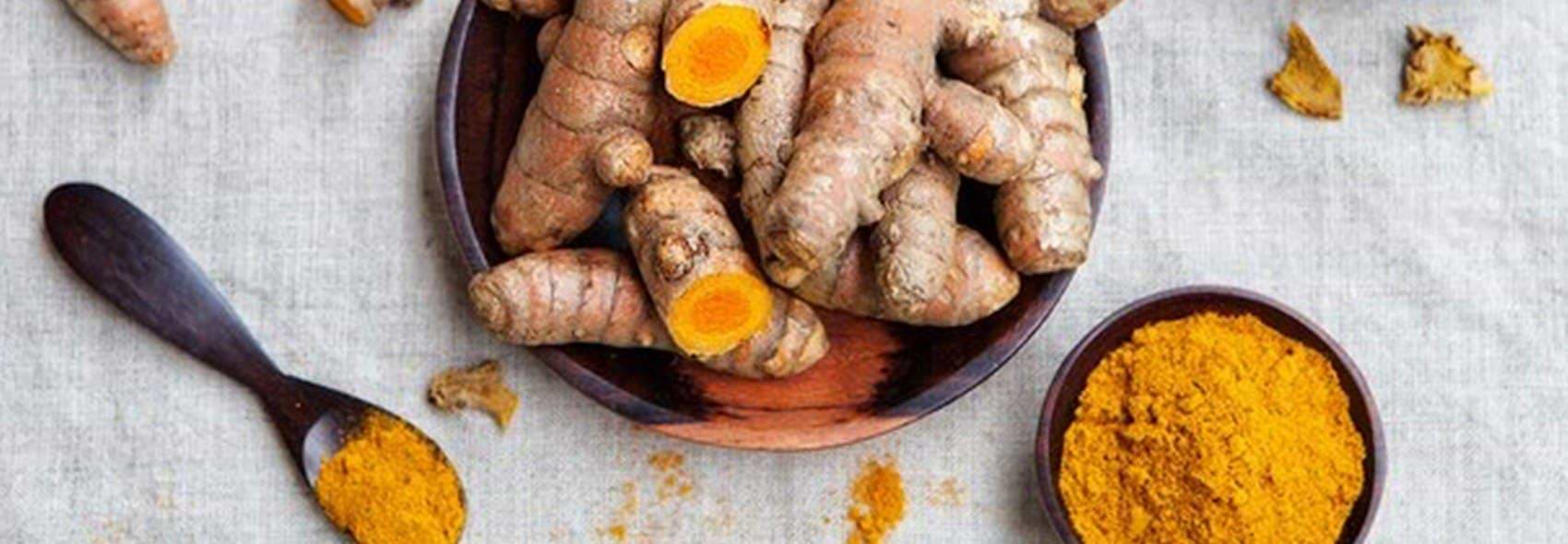
Turmeric adds flavour and colour to curries, soups and stews, and is best eaten with black pepper and a little fat. Research into curcumin, its active compound, is ongoing, but the body absorbs very little curcumin from food.
4. Berries and citrus fruits
Strawberries, blackcurrants, oranges and kiwi are excellent sources of vitamin C, which contributes to the protection of cells from oxidative stress. Add berries to breakfast or snack on citrus fruit through the day.
5. Beans and legumes
Beans, lentils and chickpeas provide protein, fibre and two minerals that matter for skin: copper, which contributes to normal skin pigmentation, and zinc, which contributes to the maintenance of normal skin. As slow-release carbohydrates, they also help keep your diet low in refined sugar.
6. Nuts and seeds
Almonds and sunflower seeds are rich in vitamin E, which contributes to the protection of cells from oxidative stress, while pumpkin seeds and cashews provide zinc and copper. Walnuts and flaxseed add omega-3 fats to your diet.
Foods and habits to avoid for pigmentation
No single food causes dark spots, but a few habits can make pigmentation look worse:
- Citrus juice on your skin in the sun. Lime, lemon, celery and parsley contain compounds that react with sunlight on the skin, which can leave dark marks. Eating them is fine; it’s the juice on sun-exposed skin that causes the problem, so skip lemon juice as a DIY brightening remedy.
- A diet high in sugar and ultra-processed food. Emerging research links high-sugar diets to glycation and inflammation, both of which researchers are studying for their role in pigmentation.
- Too much alcohol. It dehydrates skin and can leave it looking dull and uneven.
One food can change your skin colour: eating very large amounts of carrots or other orange vegetables can give skin a harmless yellow-orange tint, called carotenemia, which fades when you eat less of them.
Pigmentation diet chart: a sample day
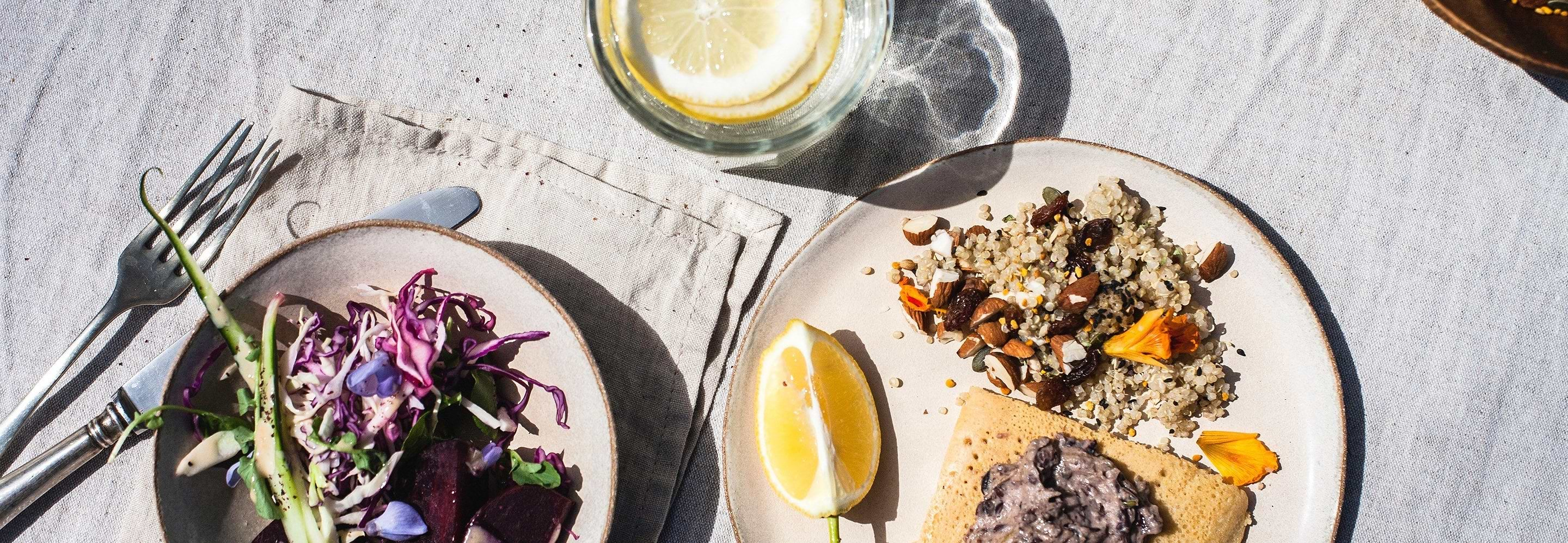
Here’s an example of a day of eating built around the foods above. It’s a guide to eating well for your skin, not a treatment plan.
| Meal | What to eat | Why it’s there |
|---|---|---|
| Breakfast | Oats or yoghurt with blueberries, blackberries and pumpkin seeds | Zinc and copper |
| Lunch | Spinach and kale salad with chickpeas, tomatoes and olive oil | Vitamin C and protein |
| Snack | An orange or two kiwis, with a handful of almonds | Vitamin C and vitamin E |
| Dinner | Lentil and tomato curry with turmeric, black pepper and broccoli | Protein, copper and vitamin C |
| Drinks | Water through the day, and green tea | Hydration |
Beyond diet: what makes the biggest difference to pigmentation
Food supports normal skin, but for visible dark patches, these steps matter most:
- Wear a broad-spectrum SPF 30 or higher every day, because UV darkens existing patches and creates new ones.
- Use brightening skincare ingredients such as vitamin C serum, niacinamide or azelaic acid.
- Avoid picking at blemishes, which can leave dark marks behind.
- See your GP or a dermatologist for persistent pigmentation or melasma, which may need prescription creams or in-clinic treatment.
Frequently asked questions about diet and pigmentation
What is the best diet for pigmentation?
A varied diet with plenty of vegetables, fruit, legumes, nuts and seeds provides the vitamins and minerals that contribute to normal skin, including vitamin C, vitamin A, zinc and copper. Diet works best alongside daily SPF rather than instead of it.
Which fruit is best for pigmentation?
Vitamin C-rich fruits such as oranges, kiwi, strawberries and blackcurrants are good choices, because vitamin C contributes to normal collagen formation for the normal function of the skin.
Can vitamin C supplements reduce dark spots?
Most people get enough vitamin C from a balanced diet. For the look of dark spots, vitamin C is more commonly used in skincare, applied directly to the skin as a serum.
Which mineral is linked to skin pigmentation?
Copper contributes to normal skin pigmentation. Good food sources include beans, lentils, nuts, seeds and wholegrains.
Can diet remove pigmentation from the face permanently?
No. Diet supports normal skin, but it can’t permanently remove pigmentation. Dark patches often return with sun exposure, so daily SPF is the most important habit for keeping them from coming back.
How long does it take for diet changes to show in your skin?
Skin renews itself over several weeks, and more slowly with age, so give any diet change at least a few months. Daily sun protection has the biggest impact on how your skin looks.
This article is for general information and is not medical advice. Food supplements should not be used as a substitute for a varied, balanced diet and a healthy lifestyle. Speak to your GP before starting any new supplement if you are pregnant, taking medication or have a medical condition.
About the author
Jessica Lacey is LYMA’s Beauty Editor, writing about skin science, nutrition and the research behind healthy ageing.


