

How to choose the best treatment to solve your melasma for good.
Melasma is one of the most common and most misunderstood forms of hyperpigmentation. Unlike sun spots or age spots, which are almost always triggered by UV exposure, melasma is driven primarily by hormonal changes in the body - which is exactly why it's so notoriously difficult to treat, and so prone to returning.
This guide covers what melasma actually is, the laser and non-laser options people commonly consider, and what the research and dermatology community currently say about managing it.
What is melasma, and why does it keep coming back?
Melasma is a form of hyperpigmentation caused by hormonal fluctuation rather than sun exposure alone, though sun exposure can worsen it. It's especially common during pregnancy, when hormonal shifts are significant, and typically presents on the face in a butterfly or mask-like pattern across the cheeks, nose and forehead.
Because the root driver is hormonal, melasma can fade on its own as hormones rebalance, or it can be managed with topical creams and brightening agents. It can also resurface at any point when hormones shift again - a pregnancy, a new medication, a change in birth control - which is the main reason it's considered one of the more stubborn pigmentation conditions to manage long-term.

Laser and light-based options people consider for melasma
A wise place to start, before considering any device, is understanding the specific cause behind your own presentation - consult a dermatologist or cosmetic doctor first, since treating melasma incorrectly (including with the wrong laser) can worsen it.
Laser and light-based approaches generally fall into three categories:
- Ablative lasers cause superficial wounding to much of the skin's surface, some removing the entire outer layer of skin.
- Non-ablative lasers deliver thermal energy by heating the water content in cells, triggering a repair response and collagen production without wounding the surface.
- Fractionated lasers treat extremely small, pixelated areas of skin at a time.
In-clinic devices dermatologists commonly reach for include:
- PicoSure
- Halo
- Clear + Brilliant
- Nd:YAG (Q-switched)
Published research points to the Q-Switched Nd:YAG as a commonly favoured option for melasma specifically, largely down to its 1064nm wavelength and how it travels through skin layers.
What to weigh up before choosing a laser for melasma
Every device on this list comes with trade-offs in power, precision, downtime and cost - and, importantly, melasma responds differently to treatment than most other pigmentation. Because it's hormonally driven, even an effective session can be undone by the next hormonal shift, which isn't true of sun-induced pigmentation.
Common side-effects across in-clinic thermal lasers include rosy or reddened skin, swelling, and bruising, with healing sometimes taking weeks. Other risks specific to melasma treatment worth discussing with a dermatologist:
- Leukoderma (unwanted white patches on darker skin)
- Post-inflammatory pigmentation, where the treatment itself triggers new discoloration
- Risk of infection requiring antibiotics
- Melasma worsening after treatment in some cases
- Recurrence at any point due to hormonal changes, regardless of treatment
What in-clinic melasma treatment typically costs
| Laser Model | Type of Laser | Sessions Required | *Average Cost |
| PicoSure | Non-ablative short pulses | 4 treatments over 6 months | £270 per session |
| Clear + Brilliant | Gentle fractional diode laser | 4–6 treatments | £325 per session |
| Halo | Hybrid ablative/non-ablative | 2 treatments | £1,250 per session |
| Nd:YAG | Pulsed Q-switched laser | 3–4 treatments | £450 per session |
*Costs averaged from Harley Street and London clinics.
Non-laser alternatives for melasma
Chemical peels treat the outermost layer of skin but generally won't eliminate hyperpigmentation on their own. Microdermabrasion can lessen the appearance of dark patches short-term. IPL has variable success with melasma specifically, since it doesn't penetrate as deeply as some alternatives.
Whichever route you take, dermatologists generally agree that broad-spectrum SPF, worn consistently, is the single most important factor in preventing melasma from worsening - since UV exposure aggravates it even though it isn't the root cause.
The takeaway on treating melasma
Melasma is manageable but rarely a one-treatment fix, given how closely it's tied to hormonal changes rather than a single external cause. A dermatologist consultation to identify your specific presentation is the most reliable starting point before choosing any treatment path, laser or otherwise.
Elsewhere in your skin routine: radiance and fine lines
Separately from melasma-specific treatment, general skin radiance and fine lines are a different concern with a different set of tools. The LYMA Laser PRO is a cold, near-infrared low-level laser device designed for that broader remit - supporting collagen production and skin radiance, with published clinical data on wrinkles and skin tightening.
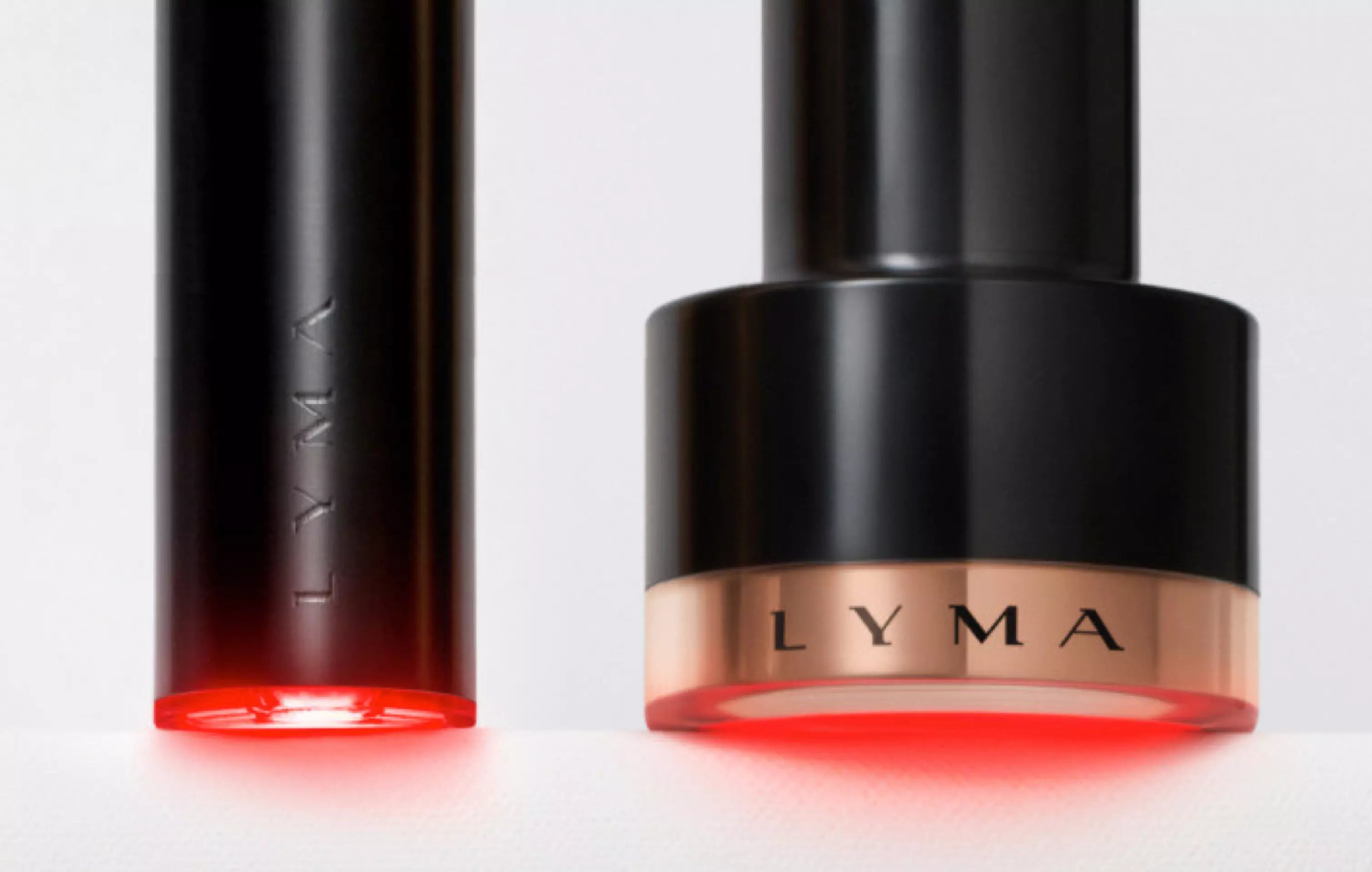
It's a different mechanism and a different use case from the pigmentation-specific devices covered above, and worth exploring on its own terms if fine lines and overall radiance - rather than melasma - are what you're looking to address.
You might also like


