

Probiotic strains are visitors, not residents. Here's what actually feeds your gut.
Fermented foods are genuinely good for your gut. But they don't provide what your gut bacteria need most. Here's what the science says about the gap no probiotic food can fill.
What fermented foods actually do for your gut (And what they Don’t)
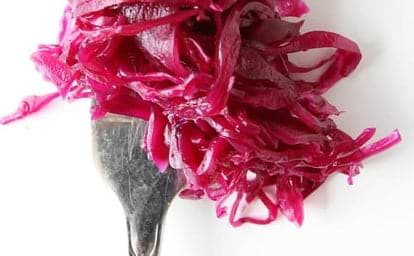
The case for fermented foods is real, and it deserves to be taken seriously before we examine what they can't do.
A landmark 2021 study published in Cell by Wastyk et al. at Stanford tracked 36 adults on either a high-fermented foods diet or a high-fiber diet over ten weeks. The fermented foods group showed a significant increase in gut microbiome diversity - a metric researchers consistently associate with better overall gut health and resilience. The finding was genuine, and it was important.
What the fermented foods provided was live cultures: Lactobacillus and Bifidobacterium strains from yoghurt and kefir, Leuconostoc and Lactobacillus strains from kimchi and sauerkraut, wild yeast and acetic acid bacteria from kombucha. Transient but measurable. That diversity increase was real - and it was driven entirely by the introduction of those live microbial strains.
But here is what that study also showed, and what rarely makes it into the wellness content that followed: the probiotic strains from fermented foods are visitors, not residents. They pass through the gut over a period of days, influencing the local environment while they are present, before their abundance returns to baseline. The live cultures survive fermentation. What fermented foods do not reliably provide is something else entirely - and that something else is what your gut is actually built on.
Study reference: Wastyk HC et al. (2021). Gut-microbiota-targeted diets modulate human immune status. Cell, 184(16), 4137–4153.
The critical missing piece: What fermented foods cannot do
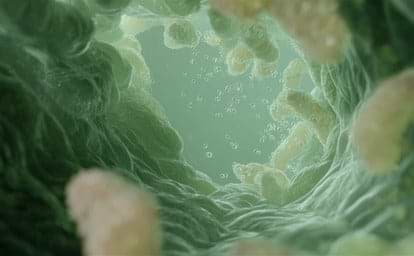
Your gut already contains approximately 38 trillion bacteria. The challenge of gut health is not primarily a population problem, it is a substrate problem.
Fermented foods contribute to gut health by introducing transient live cultures that temporarily diversify the microbial environment. What they cannot do is feed the bacteria already living there.
The resident microbiome - the established community you have developed over decades - determines your long-term gut function. It is fed not by adding new bacteria, but by providing the fiber infrastructure those bacteria depend on. Without that infrastructure, the resident community cannot produce the short-chain fatty acids - butyrate, propionate, and acetate - that are the primary mechanism through which gut health translates into systemic benefit.
Butyrate is the primary energy source for colonocytes, the cells lining your colon. Faecalibacterium prausnitzii and Roseburia intestinalis - two of the most important butyrate-producing bacterial species in the human gut - can only extract energy by fermenting fiber. They do not get their energy from fermented dairy or probiotic supplements. They get it from long-chain prebiotic fibers that reach the distal colon intact. When that substrate is absent, these bacteria do not thrive - regardless of how much kefir is consumed alongside them.
The fermentation process itself - the bacterial and yeast activity that gives fermented foods their gut health credentials - consumes most of the available carbohydrate and fiber in the base ingredient. Kefir and yoghurt contain zero fiber. A standard 50g serving of sauerkraut provides approximately 1.1g of fiber, much of which is not the prebiotic type. Kombucha provides zero fiber. Miso, consumed in a typical serving, provides under 0.5g.
This is not an argument against fermented foods. It is an argument for understanding what they are: a valuable but partial input - and what they are not: a substitute for the fiber infrastructure that gut health is actually built on.
How butyrate supports your gut lining at a cellular level - and why fiber length determines how much is produced and where.
The fiber Gap reality: 4G vs 15G and why fermented foods Don’t close it

The fiber gap is not a wellness construct. It is a measurable discrepancy between what the resident microbiome actually needs and what most adults consume.
Research into gut microbiome and SCFA output - including work by Baxter et al. published in Cell Host & Microbe, suggests that meaningful, sustained butyrate production across the full length of the colon requires at least 15g of diverse prebiotic fiber daily. The average adult in the UK and US consumes approximately 4–6g of prebiotic-specific fiber per day. The gap is not marginal. It is 10–11g per day of missing substrate, every day.
~4g - average daily prebiotic fiber intake (US adult)
15g+ - prebiotic fiber needed for meaningful SCFA production across the full colon
So what does adding fermented foods to your diet contribute to closing that gap? The table below is unambiguous:
|
Source |
Type |
Fiber per serving |
Prebiotic fiber? |
SCFA contribution |
|
Kefir (200ml) |
Fermented dairy |
0g |
No |
Negligible |
|
Natural yoghurt (150g) |
Fermented dairy |
0g |
No |
Negligible |
|
Sauerkraut (50g) |
Fermented veg |
1.1g |
Trace only |
Minimal |
|
Kimchi (50g) |
Fermented veg |
1.2g |
Trace only |
Minimal |
|
Kombucha (250ml) |
Fermented tea |
0g |
No |
Negligible |
|
Miso (10g) |
Fermented soy |
0.4g |
Trace only |
Negligible |
|
TOTAL (daily serving each) |
- |
≈2.7g |
≈0.5g effective |
Well below threshold |
|
Prebiotic fiber needed (daily) |
- |
15g+ |
All prebiotic |
Meaningful SCFA output |
A diet including daily servings of kefir, sauerkraut, kimchi, and miso adds approximately 2.7g of total fiber - of which the effective prebiotic fraction is well under 1g. Against a gap of 10–11g, this is not a meaningful contribution to prebiotic fiber status. It is noise.
The populations that historically maintained the highest gut microbiome diversity - studied extensively through the lens of Blue Zone longevity research and traditional agrarian diets - consumed fermented foods, but not as their primary fiber source. Their fiber came from a diverse range of minimally processed plant foods, legumes, and whole grains, with prebiotic fiber intake estimates in excess of 30g daily. Fermented foods were an adjunct, not the foundation. This distinction has been almost entirely lost in modern gut health discourse.
Study reference: Baxter NT et al. (2019). Dynamics of Human Gut Microbiota and Short-Chain Fatty Acids in Response to Dietary Interventions with Three Fermentable Fibers. mBio, 10(1).
Understanding the modern fiber deficit and its consequences for the gut microbiome - why the fiber gap developed, and what restoring it requires.
Fermented foods and fiber together: The complete gut health strategy

The goal is not to abandon fermented foods. It is to understand where they sit in a complete gut health strategy - and to stop treating them as a substitute for the fiber infrastructure that makes the strategy work.
Think of it in two layers.
The first layer is substrate: diverse, long-chain prebiotic fiber that feeds the resident gut microbiome across the full length of the colon, sustains butyrate production from the distal colon inward, and supports gut microbiome diversity as a structural outcome rather than a temporary shift. This is the non-negotiable foundation. Without it, the rest of the strategy is working on an underfed microbiome.
The second layer is microbial enrichment: fermented foods that introduce transient live cultures, temporarily diversifying the gut environment and supporting the conditions in which resident bacteria can thrive. This layer has genuine value - the Wastyk study's diversity findings are real - but its value is conditional on the first layer being in place. A well-fed, diverse resident microbiome is a hospitable environment for transient probiotic strains. A depleted, low-diversity microbiome is not.
The third consideration is fiber type. Not all prebiotic fiber supports the full geography of the colon equally. Short-chain fermentable fibers - FOS, short-chain inulin - are fermented rapidly in the proximal colon, producing acetate and propionate but leaving the distal colon's butyrate-producing bacteria under-fed. Long-chain fibers that resist early fermentation travel further before breaking down, supporting a more complete fermentation profile across the entire colon. This distinction - fiber length distribution as a formulation principle - is the scientific territory that most fiber supplements and fermented food strategies entirely miss.
In practice, the complete strategy looks like this. Prioritize diverse prebiotic fiber intake: 15g+ daily from multiple fiber types, emphasizing longer-chain sources that support distal colon fermentation. Add fermented foods as a complement: kefir, yoghurt, kimchi, sauerkraut, miso - all valuable for their live culture contribution, none of them a replacement for the fiber foundation. Consider a targeted prebiotic supplement if dietary fiber from food alone is insufficient to close the gap. For most adults in the US, it is.
The prebiotic vs probiotic distinction explained: why fiber comes before bacteria - and how to evaluate whether a gut supplement is actually closing your fiber gap.
Your Questions Answered
Are fermented foods good for gut health?
Yes - but they are only part of the picture. Fermented foods provide live cultures (Lactobacillus, Bifidobacterium, and other strains) that temporarily diversify the gut microbiome. Research, including a 2021 Cell study, showed that high-fermented-food diets increase gut microbiome diversity. What fermented foods do not provide is significant prebiotic fiber - the substrate your resident gut bacteria need to produce short-chain fatty acids like butyrate. A complete gut health strategy requires both.
What are the best fermented foods for gut health?
The best fermented foods for gut health include kefir, natural yoghurt (with live cultures), kimchi, sauerkraut, miso, and kombucha. Each provides different strains of live bacteria with different effects on the gut environment. None, however, provides meaningful prebiotic fiber. For a complete gut health strategy, fermented foods should be combined with consistent, diverse prebiotic fiber intake.
Do fermented foods provide prebiotics?
No - not in meaningful quantities. Fermented foods provide probiotics (live beneficial bacteria) but the fermentation process consumes most of the available carbohydrate and structural fiber in the base ingredient. Kefir and yoghurt contain zero fiber. A 50g serving of sauerkraut provides approximately 1.1g of fiber, most of which is not the prebiotic type. Against the 15g+ of daily prebiotic fiber needed for meaningful SCFA production, fermented foods make a negligible contribution to your prebiotic fiber intake.
How much prebiotic fiber do you need for gut health?
Research into short-chain fatty acid production suggests that sustained, meaningful butyrate output across the full colon requires at least 15g of diverse prebiotic fiber daily. Most UK and US adults consume approximately 4–6g of prebiotic-specific fiber per day - a gap of roughly 10–11g. This fiber gap is the most significant structural factor limiting gut microbiome diversity and SCFA output in modern Western populations.
What is butyrate and why does it matter?
Butyrate is a short-chain fatty acid produced when gut bacteria ferment prebiotic fiber. It is the primary energy source for colonocytes - the cells lining your colon - and plays a key role in maintaining gut lining integrity, reducing intestinal permeability, and supporting immune regulation. Butyrate production depends on adequate prebiotic fiber intake, particularly long-chain fibers that reach the distal colon where butyrate-producing bacteria like Faecalibacterium prausnitzii are concentrated.
Should I eat fermented foods or take a prebiotic supplement?
Both, ideally - but in the right order. Prebiotic fiber is the foundation: it feeds your resident gut microbiome and sustains short-chain fatty acid production. Fermented foods add live cultures that temporarily enrich the microbial environment. For most people, dietary fiber from food alone is insufficient to reach the 15g+ daily prebiotic fiber target - making a targeted prebiotic supplement a practical part of a complete strategy. Fermented foods complement this foundation; they do not replace it.
You might also like
- Inside Hollywoods LYMA Habit With Dr Will Cole
- Why nutritionist Rose Ferguson rates LYMA ID²
- "I'd Feel Lost Without My Bottle of LYMA ID² - I'm Able to Eat Just About Anything These Days!"
- LYMA ID2 Gut Powder — fermented foods for gut health
- LYMA ID2 Gut Powder
- prebiotic fiber and gut microbiome research — fermented foods for gut health


