

The skincare and supplements that treat unwelcome itchy, dry menopausal skin.
Ah, menopause. Gotta love it. That inevitable time in a woman’s life when oestrogen levels decline, hormones fluctuate, and the body begins to change in ways that can feel completely unfamiliar. During perimenopause, this transition brings a host of well-known symptoms like menopause insomnia, hot flashes, and mood swings - but did you know it can also have a profound impact on your skin?
As oestrogen levels drop, the skin loses vital nourishment, leading to increased dryness, irritation, and itchiness. The body also produces less collagen, the key protein responsible for firmness and elasticity. As a result, once-radiant, plump skin can become thin, saggy, and prone to fine lines and wrinkles - especially around the neck, jawline, cheeks, and mouth. Add in the moisture loss caused by hormonal shifts, and menopausal skin can start to look dull, tired, and dehydrated.
But here’s the good news: your skin doesn’t have to surrender to menopause. With the right skincare, supplements, and science-backed strategies, you can actively restore hydration, boost collagen production, and bring back that youthful glow.
In this guide, we reveal the best vitamins and supplements for menopausal skin, plus the only clinically proven skincare solutions that combat fine lines, wrinkles, and loss of elasticity.
Why does menopause cause skin changes? Ask your hormones
As a leading dermatologist specialising in midlife, Dr Keira Barr has all the intel you need on hormones and skin.
"Sex hormones are interconnected to all our other hormones – insulin, thyroid, cortisol and so on. Your body is a whole symphony of hormones and they are all interconnected."
"Progesterone is the first hormone that starts to decline in perimenopause. It plays a role in skin elasticity and hydration, and also, in its relationship with testosterone, also influences our hair follicles, potentially decreasing our hair density and causing hairs to be finer and thinner."
"Oestrogen plays a crucial role in the elasticity and buoyancy of skin, because of its involvement in collagen formation. You might notice more fine lines and increased skin itchiness and dryness (and therefore sometimes more vulnerability to irritation). As our hormone levels shift, the pH can change too – skin becomes more alkaline. So you might find products you have always used need changing or switching up.

The knock on effect of hormones on skin
In the way that everything in our body is connected, during perimenopause, as oestrogen decreases, the microbiome gets upset which impacts our ability to absorb nutrients. This in turn affects our ability to nourish our skin, hair and nails from within. We have to go beyond skin deep and topical products to think how we can help.
And let’s not underestimate the importance of sleep. Melatonin, the sleep hormone, one of most important anti-oxidants in our body and helps repair all the damage that goes on to our skin during the day. Sleep rebalances skin hydration and helps to regenerate hormones that repair.
Our primary stress hormone cortisol can have a massive impact in creating hormonal imbalances. Cortisol, and the stress which causes it, can make your menopause symptoms much worse and accelerate problems with skin, hair and nails. Cortisol not only breaks down collagen, it prevents its production in the body.
1. Hydrate your skin during perimenopause
Both inside and out. Perimenopause often causes dry, itchy skin because a reduction in the amount of oestrogen circulating throughout your body results in reduced oil production and thus drier, less hydrated skin.
The first step is to drink, drink, drink. You cannot hope to achieve hydrated skin on the outside if you do not start by increasing your intake of H2O. You need to be aiming for an absolute minimum of eight glasses of water per day - filtered if possible. You may also consider increasing the amount of hydrating fruit such as watermelon that you consume and cutting back on caffeinated beverages and alcohol, both of which can be dehydrating and detrimental to skin health.
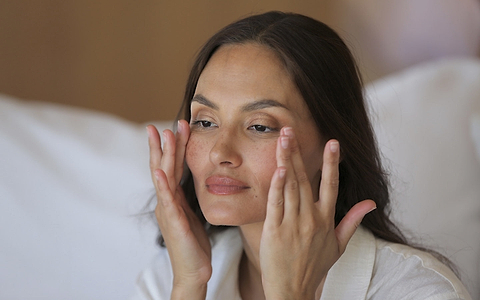
Next, arm yourself with hydrating skincare. For this, look to LYMA Skincare which contains PrimaHyal™ 50 Hyaluronic Acid a fiercely patented form of HA that floods all layers of skin and creates an anti-dehydration shield. Hydrolysed to a smaller molecular weight of 50KDa, it can enter deeper layers of the skin, rather than just hydrating the outermost layer. Clinical results show skin hydration barrier function increases by 150% and skin hydration by 72%.
2. Boost your collagen levels
Collagen is in short-supply post-menopause. As you traverse perimenopause, something called ‘collagenases’ occurs. Collagenases is the enzymatic breakdown of the skin’s natural collagen and is, unfortunately, an inevitable part of the aging process.
However, there are steps you can take to mitigate the impact of ‘collagenases’ on the health and appearance of your skin.
Stop wasting hope and cash on generic collagen creams that are seldom compatible with human skin because doctors and derms now recommend getting your body to make more of its own.
“A much more effective way of getting collagen to the extracellular matrix is to stimulate fibroblasts to make collagen and this is what truly effective skincare regimens do,” advises Dr Graeme E. Glass PhD Plastic Surgeon, Associate Professor of Surgery and LYMA Aesthetic Director.
Though admittedly during menopause, our bodies need a collagen-manufacturing leg-up. Beta glucans are by far the best ingredient for speed making collagen.
“Beta glucans benefit skin by signaling that it has been injured. This sets off a coordinated reparative response, kickstarting the regeneration process and the increased production of fibres such as collagen, elastin and ceramides. So inducing a regenerative response, ultimately makes the skin look younger,” explains Dr Glass.
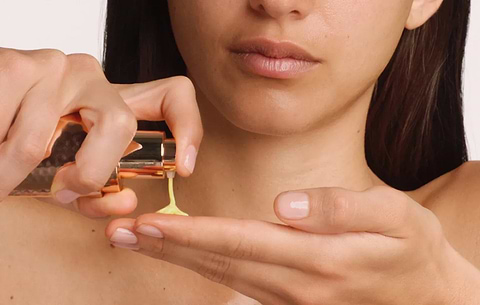
LYMA Skincare Serum and Cream is formulated with the gold standard of beta glucans Wellmune® Hydrolysed Beta Glucans - a tightly patented, scientifically modified yeast beta-glucan, hydrolysed to a smaller molecular weight, thus allowing it to be fully accepted into the epidermis.
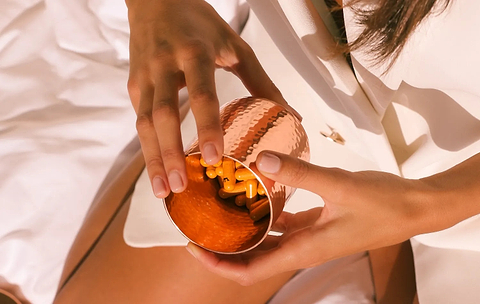
On the inside track, the LYMA Supplement contains LycoBeads® Natural Tomato Lycopene has been fully endorsed by experts and backed with extensive testing as one of the most potent strains of lycopene. Lycopene has long been touted by beauty experts for its outstanding properties. It works by inhibiting the aforementioned collagenases, keeping your skin plumper for longer.
The body cannot produce Lycopene itself and therefore supplementing is necessary. In LYMA, LycoBeads® Natural Tomato Lycopene is coupled with LipiSperse® which enhances the bioavailability of the Lycopene by up to 1000%.
3. Protect your skin from the sun by supplementing
Sun damage is particularly detrimental to older skin and can encourage dryness, wrinkles, sagging and lines to develop prematurely.
In addition to supporting collagen production, supplementing with LycoBeads® Natural Tomato Lycopene has also been demonstrated to be an effective way to protect the skin against UV damage caused by overexposure to the sun. In one study where participants were either asked to supplement with lycopene or given a placebo, those in the lycopene group experienced reduced sun damage compared with those who took a placebo.
Another study concluded that a daily dose of lycopene equivalent to the 30mg that is formulated in LYMA could reduce the likelihood of suffering sunburn by as much as 50%.
4. Address pigmentation fast
Age spots - also known as sunspots, or liver spots - are small, dark, flat patches of hyperpigmentation that begin to appear most often on the hands, face, forearms and shoulders with age. They tend to impact women more than men, and are linked to overexposure to the sun in earlier years.
Age spots are totally harmless (although if you’re concerned about them, or are worried that your dark patches may be something other than age spots, do check with your doctor), but their development can be an annoyance and an unwanted addition to one’s overall appearance. The at-home LYMA Laser can be a great remedy to sun induced age spots if you are looking for a short-term solution.
If age spots are bothering you, there are a number of things you can do including eating specific foods and taking certain supplements.
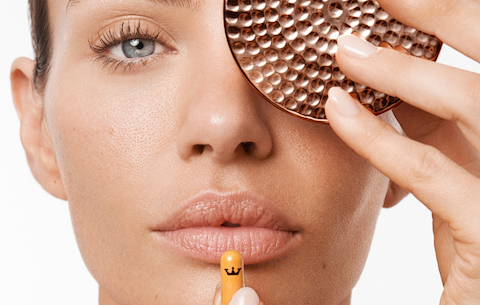
LycoBeads® Natural Tomato Lycopene can also help to diminish age spots and has been demonstrated in clinical trials to have a gentle lightening effect on skin, and to reduce the appearance of dark patches, particularly when sun-induced.
5. Load up on antioxidants to tackle inflammaging
Oxidation and the accumulation of free radicals in the body over one’s lifetime are responsible for the breakdown of cells over time and can lead to ‘inflammaging’ and encourage premature aging of the body, brain and, yes, skin.
Antioxidants can be obtained through diet and by focussing on filling your plate with anti-inflammatory foods - mostly whole grains, legumes and fruits and vegetables.
LYMA contains two more patented ingredients that are powerful to improve skin texture and coloration:
- Sensoril® Ashwagandha is an industry-leading, full spectrum adaptogen, that works wonders for improving a number of unwanted side-effects of the aging process and of menopause, and in the unique LYMA formula, it is blended with HydroCurc® - the most effective form of curcumin known to scientists and dieticians.
- HydroCurc® is formulated at a daily dose of 250mg in LYMA and is at its most bioavailable in our formula (clinical trials have suggested that the curcumin in HydroCurc® is up to 250% more available to the human body than curcumin in dietary form).
Of course, less than perfect skin is just one of the myriad symptoms associated with this period in a woman’s life. Some of the more commonly discussed menopause symptoms include the aforementioned hot flashes and insomnia, but also mood changes, weight gain, reduced memory and concentration, brittle bones, reduced sex drive and night sweats.
LYMA contains patented ingredients, each of which has a role to play in putting one or more of these symptoms to bed.
Always consult your medical professional if you have a medical condition, or existing health protocol, before beginning any new supplementation regime.


