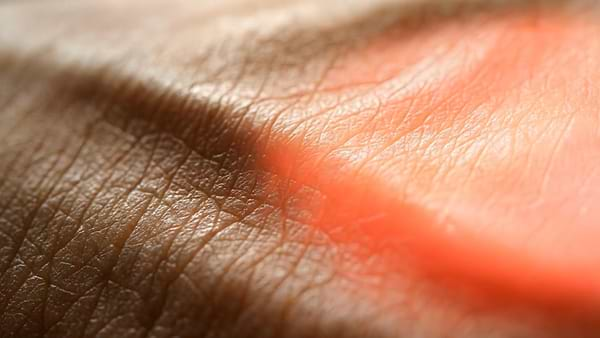
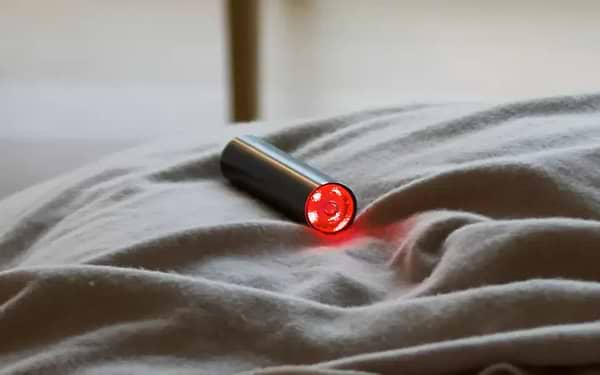
The world’s leading facelift surgeons work in the deep plane. Now a non-invasive laser can, too.
Ask a top facial plastic surgeon where aging really happens, and they won’t point to a wrinkle. They’ll point beneath it.
Skin is the part you can see. But the shape of a face, the lift of a cheek, the line of a jaw, is held up by an architecture most of us never think about: a network of ligaments, muscles and fat pads that sits in what surgeons call the deep plane. When that architecture is young, the skin above it is held high and firm. When it loosens and weakens, everything above it follows.
This is why the deep plane facelift has become the operation of choice for the world’s most sought-after surgeons. And it is why LYMA’s new chapter begins there too.
Why surgeons work in the deep plane
“There’s a reason why many top facelift surgeons favor the deep plane,” says Graeme Glass PhD, consultant plastic, craniofacial and aesthetic surgeon and LYMA’s Director of Aesthetics. “This is the plane wherein support for the face lies. In the facial ligaments, muscles and fat pads.”
A traditional facelift tightens from the surface, pulling skin to create lift. The result can look tight rather than young. A deep plane lift works underneath, releasing the retaining ligaments and repositioning the deeper tissues as one unit, so the skin simply re-drapes over a restored foundation. It looks like you, younger, because the structure itself has been put back where it belongs.
It is the most technically demanding approach in facial surgery, and in the right hands, the most natural.
What surgery can and cannot do
Yet even the finest deep plane lift has a limit. Surgery moves tissue. It does not renew it.
“At present, surgery can only reposition and re-tension these structures,” says Glass. “The next generation of facelift will do more. To expert anatomical restructuring will be added tissue regeneration; not only turning the clock back on the position of the tissues, but turning the clock back on the tissues themselves.”
Until now, the only tool that came close was fat grafting: harvesting fat from elsewhere in the body and reinjecting it into the face. “It is invasive and inexact,” says Glass.
What is Deep Plane Technology™?
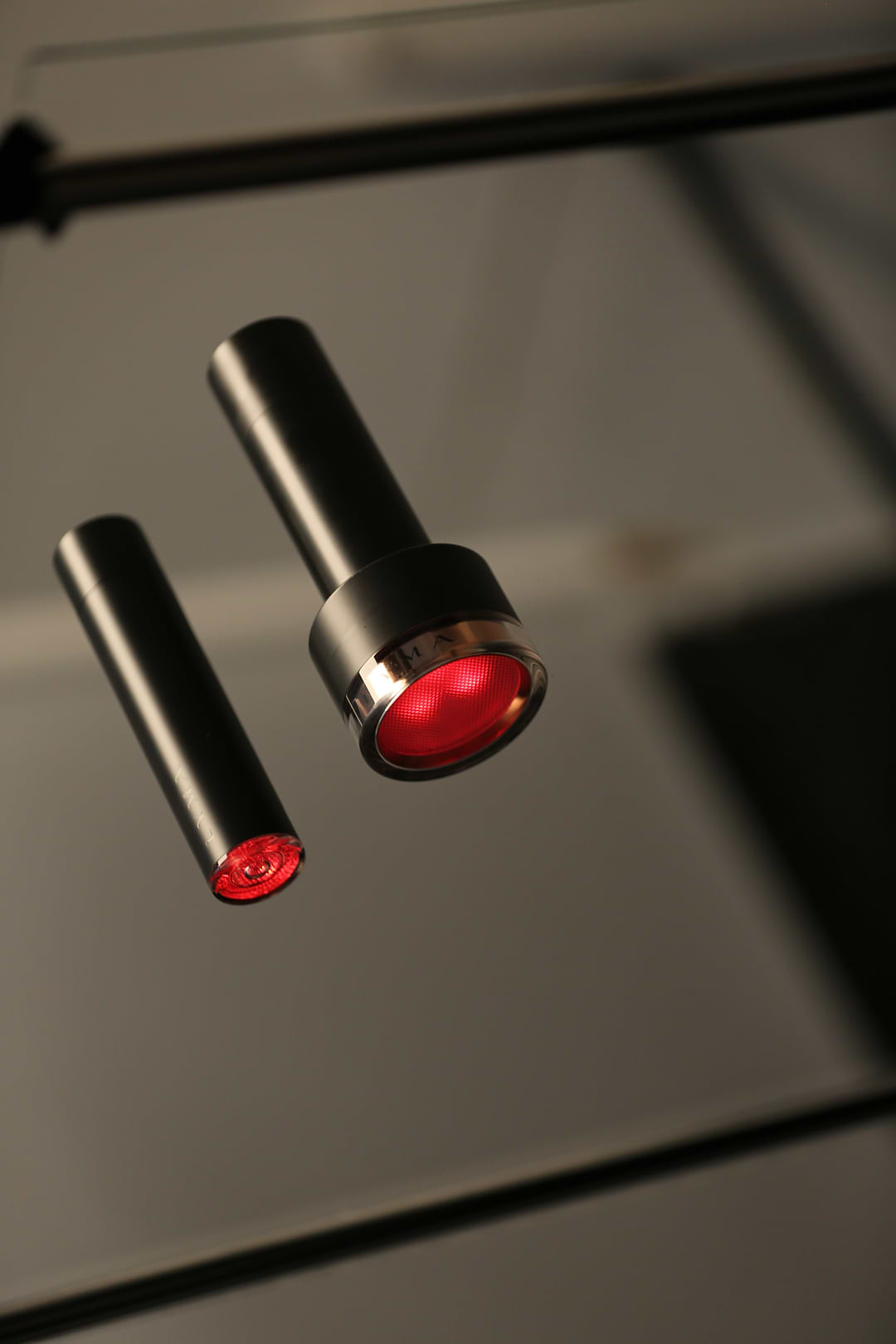
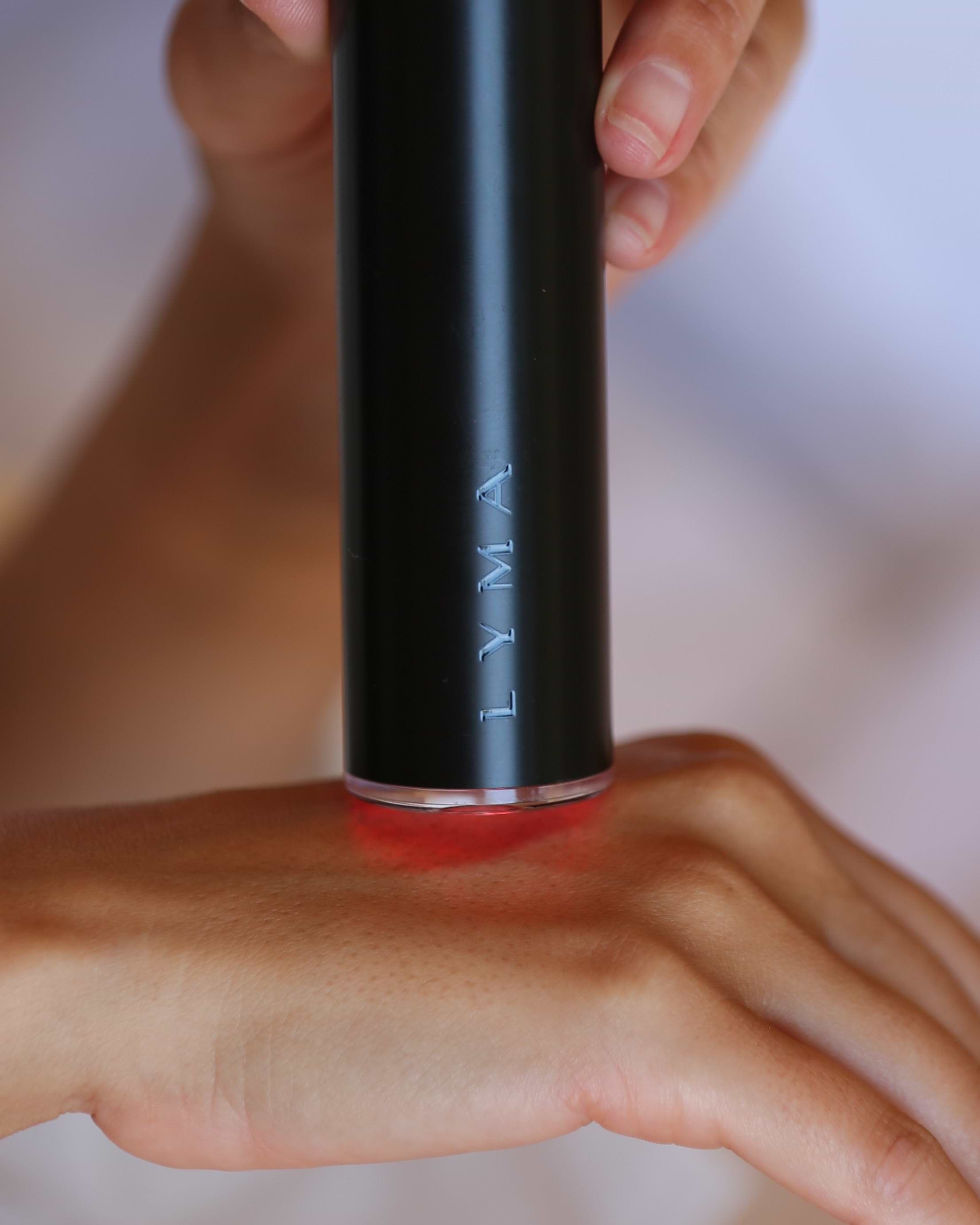
This is the space LYMA was built to fill. Deep Plane Technology™ is the name for what the LYMA Laser does that nothing else can: deliver cold, near-infrared laser light through the skin to the structures that support the face, without harming anything on the way.
“The LYMA Laser is in a class of one,” says Glass. “A non-invasive device that can penetrate into the deep plane without damaging the tissues, to turn the clock back on the structures that support the face. It doesn’t cook the tissues. It doesn’t create scar tissue. It doesn’t complicate surgery.”
That last point matters more than most people realize. Many in-clinic devices work by heat, creating controlled injury and relying on the body to repair it. Over time, that repair can leave scar tissue beneath the surface. Surgeons notice it when they operate: scarred, stiffened tissue is harder to release and reposition than supple, healthy ligaments.
The LYMA Laser takes the opposite approach. Rather than injuring cells into action, it energizes them. In peer-reviewed research led by Glass and published in Aesthetic Surgery Journal Open Forum, the LYMA Laser activated 45 genes linked to cellular renewal, collagen production and longevity, with no heat and no damage.
“Your deep plane is where youth lies,” says LYMA founder Lucy Goff. “It’s the architecture of the face, what holds the skin up. Our technology reaches it in a non-damaging way, empowering cells to work like they did when they were younger: with more energy, more efficiency and more power.”
Using the LYMA Laser alone or alongside surgery
Because it works with the body rather than against it, the LYMA Laser fits wherever a patient is on their journey. For some, it is the alternative to the operating table. For others, it is preparation before surgery and support after it, keeping the deep tissues healthy, pliable and ready to respond.
And its effect is cumulative. Each daily session builds on the last, so the longer it is used, the more the results build.
“Used alone or in combination with surgical rejuvenation,” says Glass, “it is transformative.”
The surgeons and dermatologists who use the LYMA Laser
LYMA was engineered with plastic surgeons, not just for them, and it is in their hands today.
Graeme Glass PhD, FRCS(Plast) specializes in deep plane face and neck lifts in London, and is a contributing editor of the Aesthetic Surgery Journal. As LYMA’s Director of Aesthetics, he led the clinical research behind the LYMA Laser and created the LYMA Lift, a facial protocol built around it.
Dr. Jason Diamond, the Beverly Hills facial plastic surgeon trusted by some of the most photographed faces in the world, offers the LYMA Laser Lift as an in-office treatment at his Diamond Face Institute.
They are joined by leading dermatologists including Dr. Dan Belkin and Dr. Dendy Engelman, and by the esthetician Joanna Czech, who uses the LYMA Laser in her treatment rooms in New York and Dallas.
Why aging begins beneath the surface
For decades, beauty has focused on the part of the face you can see. The surgeons who get the best results have always known better. The face is held up from beneath, and that is where aging begins.
Skin is the part you can see. Everything that matters happens beneath it. That is why the LYMA Laser is in a league of its own.
Deep Plane Technology™ FAQs
What is the deep plane of the face?
The deep plane is the layer beneath the skin where the facial ligaments, muscles and fat pads sit. It is the architecture that supports the shape of the face, from the lift of the cheek to the line of the jaw.
Does the LYMA Laser use heat?
No. The LYMA Laser uses cold, near-infrared laser light. It does not rely on heat or controlled injury, unlike many in-clinic devices.
Is the LYMA Laser FDA-cleared?
Yes. The LYMA Laser and LYMA Laser PRO are FDA-cleared for the treatment of facial wrinkles.
Use your HSA or FSA
Eligible customers can buy the LYMA Laser and LYMA Laser PRO with pre-tax HSA or FSA dollars through Flex. Shop the LYMA Laser PRO.
The LYMA Laser and LYMA Laser PRO are FDA-cleared for the treatment of facial wrinkles. Deep Plane Technology™ is a trademark of LYMA Life Limited. Reference: Glass GE et al., Aesthetic Surgery Journal Open Forum, 2025.