

Keloid scars don't heal like other scars. Here's why - and what genuinely helps.
A keloid scar is an enlarged, overgrown scar that tends to be raised, dark, and often pink, red, or purple in color. Keloid scars usually form in response to minor skin trauma such as blemishes or piercings. Unlike normal scars, they spread beyond the original injury site and can become quite large.
Keloids are more common in people with darker skin tones and often run in families, and they can be uncomfortable as well as cosmetically frustrating. Because they don't resolve the way a typical scar does, most dermatologists recommend a proper diagnosis before trying any treatment, since keloids can respond very differently to intervention than standard scarring.
What exactly is scarring?
Most of us have scars - from accidents, medical procedures, or childbirth. Scarring is the body's natural repair mechanism after trauma, and it unfolds in three stages:
Step one: inflammation. Lasting a few days, inflammation activates the immune system and triggers the skin's repair process.
Step two: proliferation. For about 28 days, cells multiply around the injury, forming scar tissue.
Step three: remodeling. After about a month, the scar remodels. In most people, raised, red scars gradually soften and flatten over months or years. Keloids are the exception - the remodeling stage doesn't run its usual course, which is why they persist and continue growing rather than fading the way ordinary scars do.
A note on scarring and age
As you age and your skin loses collagen and resilience, new scars remodel more slowly and can look more pronounced. Even in your twenties, collagen and elastin production is already declining, which means slower repair and longer-lasting scars generally.
Scar healing depends heavily on cellular energy. Aging weakens immune response, reduces nutrient delivery, and impairs circulation and oxygenation - all of which matter for repair. Fibroblasts, the cells responsible for producing collagen, are central to this process: without strong fibroblast activity, scar tissue tends to form less evenly, leaving scars more raised or textured.
How keloid scars are typically treated
Because keloids don't respond the way ordinary scars do, treatment is usually a matter for a dermatologist rather than something to self-manage. Common approaches include:
- Corticosteroid injections, which reduce inflammation and can flatten a keloid over multiple sessions
- Silicone sheets or pressure garments, worn over time to help flatten and soften the scar
- Cryotherapy, which freezes the scar tissue to reduce its size
- Surgical removal, though this carries a real risk of the keloid recurring, sometimes larger than before
- Radiation therapy, occasionally used after surgical removal to reduce recurrence
Because keloids can recur even after treatment, most dermatologists recommend a combination approach and realistic expectations about the timeline - this is rarely a one-treatment fix.
When to see a dermatologist
If a scar is growing beyond the original wound site, feels itchy or tender, or is affecting your confidence, it's worth getting a proper diagnosis rather than guessing. Keloids specifically are best assessed in person, since the right treatment depends on the scar's size, location and history.
Elsewhere in your skin routine: radiance and fine lines
Separately from scar-specific treatment, general skin radiance and fine lines are a different concern with a different set of tools. The LYMA Laser PRO is a cold, near-infrared low-level laser device designed for that broader remit - supporting collagen production and skin radiance, with published clinical data on wrinkles and skin tightening.
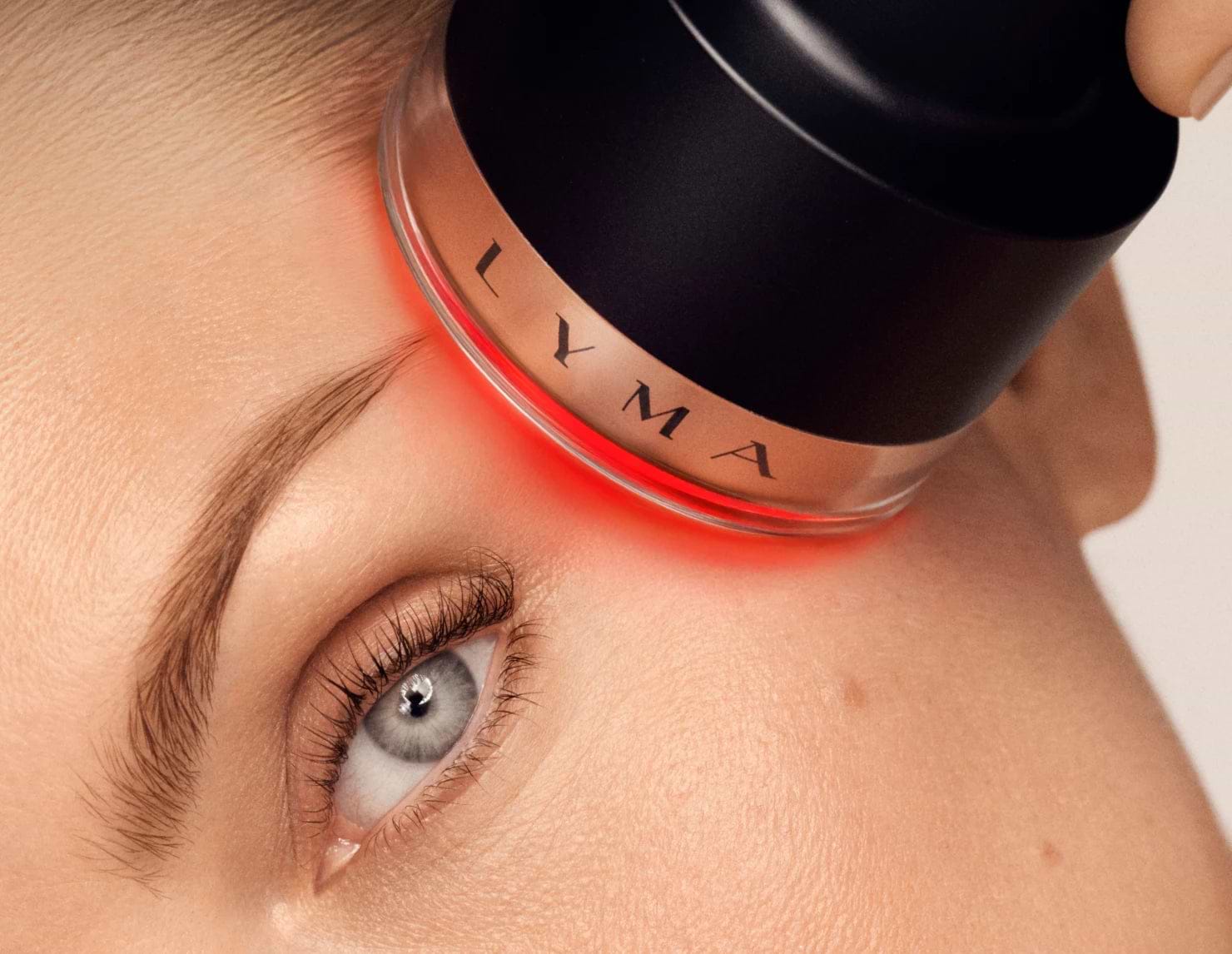
It's a different mechanism and a different use case from the scar-specific approaches covered above, and worth exploring on its own terms if fine lines and overall radiance - rather than scarring - are what you're looking to address.
You might also like


